

Guides
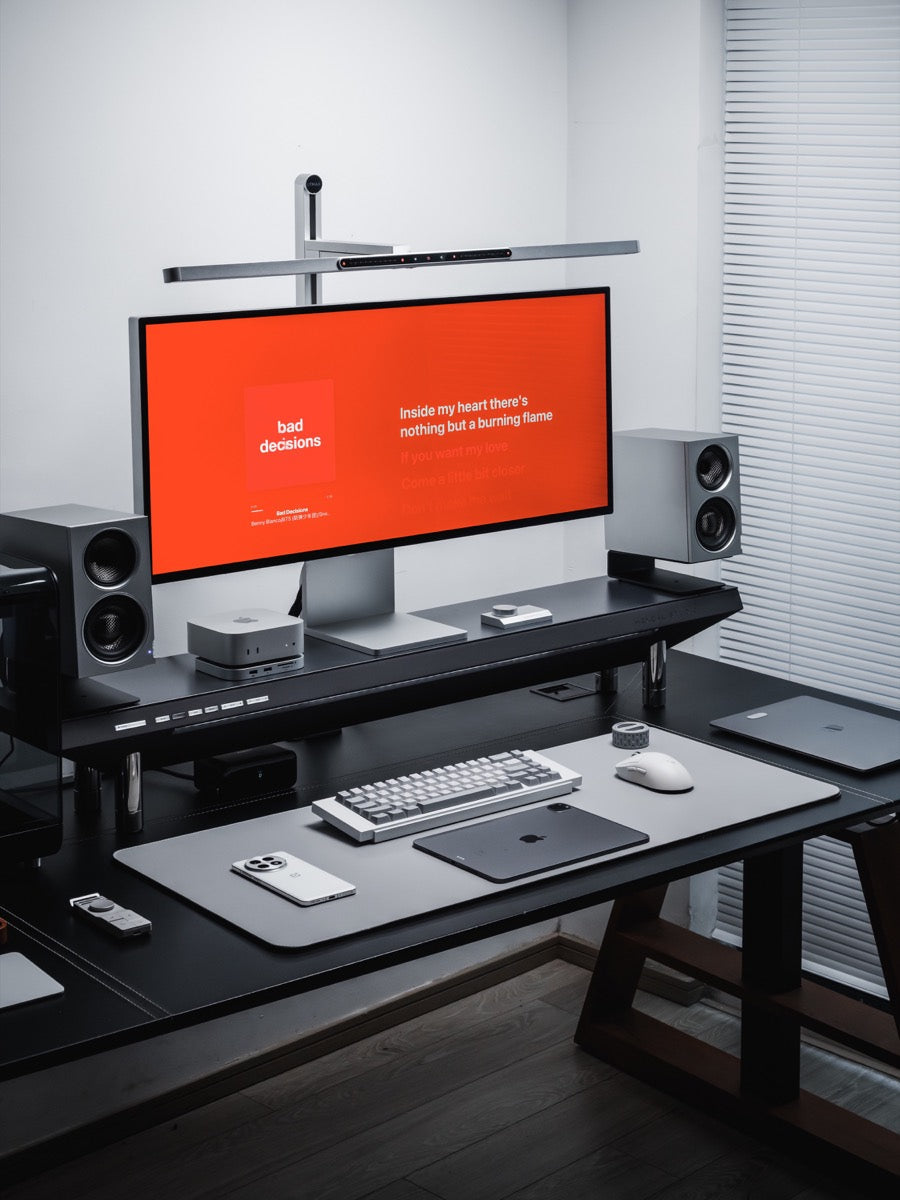
Studio Monitors vs Computer Speakers: Which Belongs on Your Desk
Studio monitors and computer speakers are optimised for different goals, not different quality tiers. How flat response, near-field distance, input type and room boundaries decide which belongs on your desk.
Read moreabout Studio Monitors vs Computer Speakers: Which Belongs on Your Desk
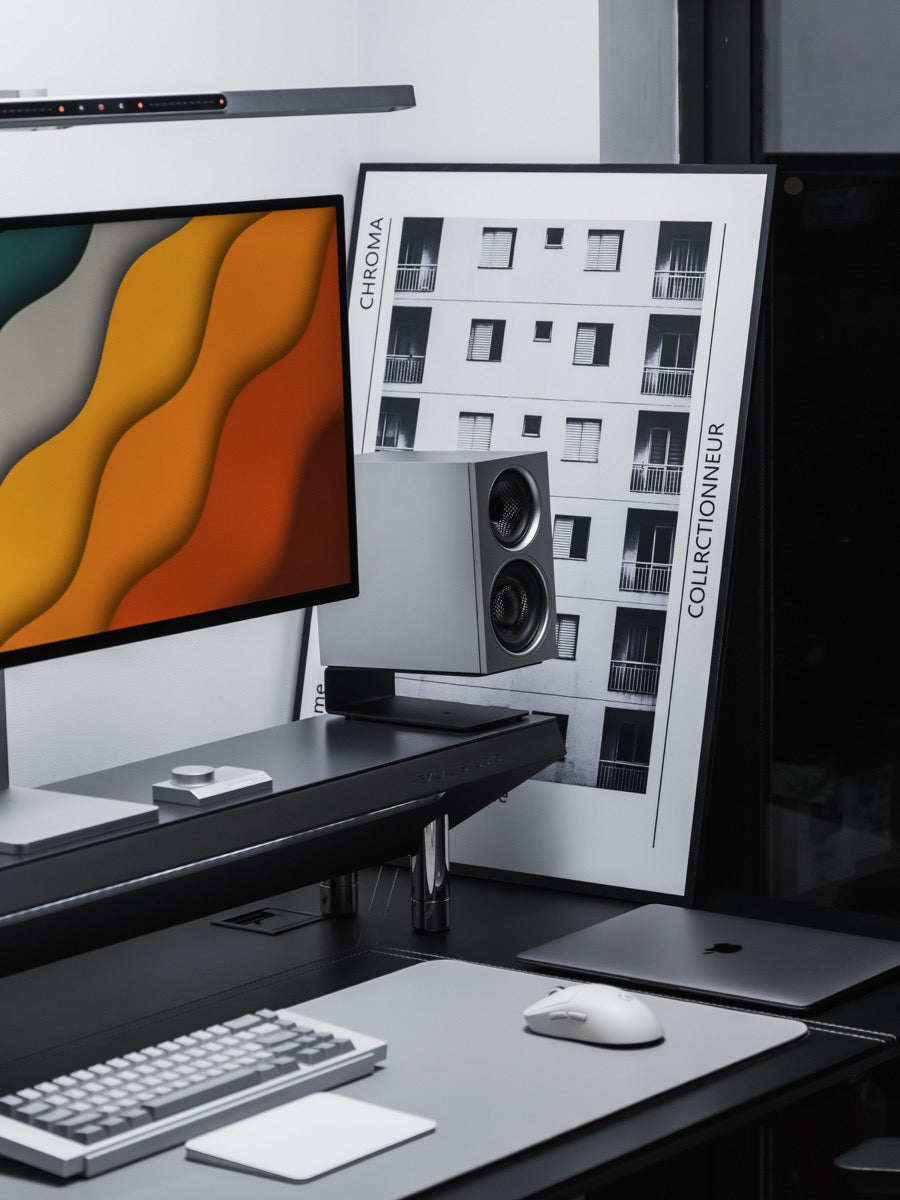
What Size Speaker Do You Need for a Small Desk?
The usual answer is 3 to 5 inches, which answers a smaller question than the one being asked. Sizing by listening distance and desk depth is more useful than sizing by driver diameter.
Read moreabout What Size Speaker Do You Need for a Small Desk?
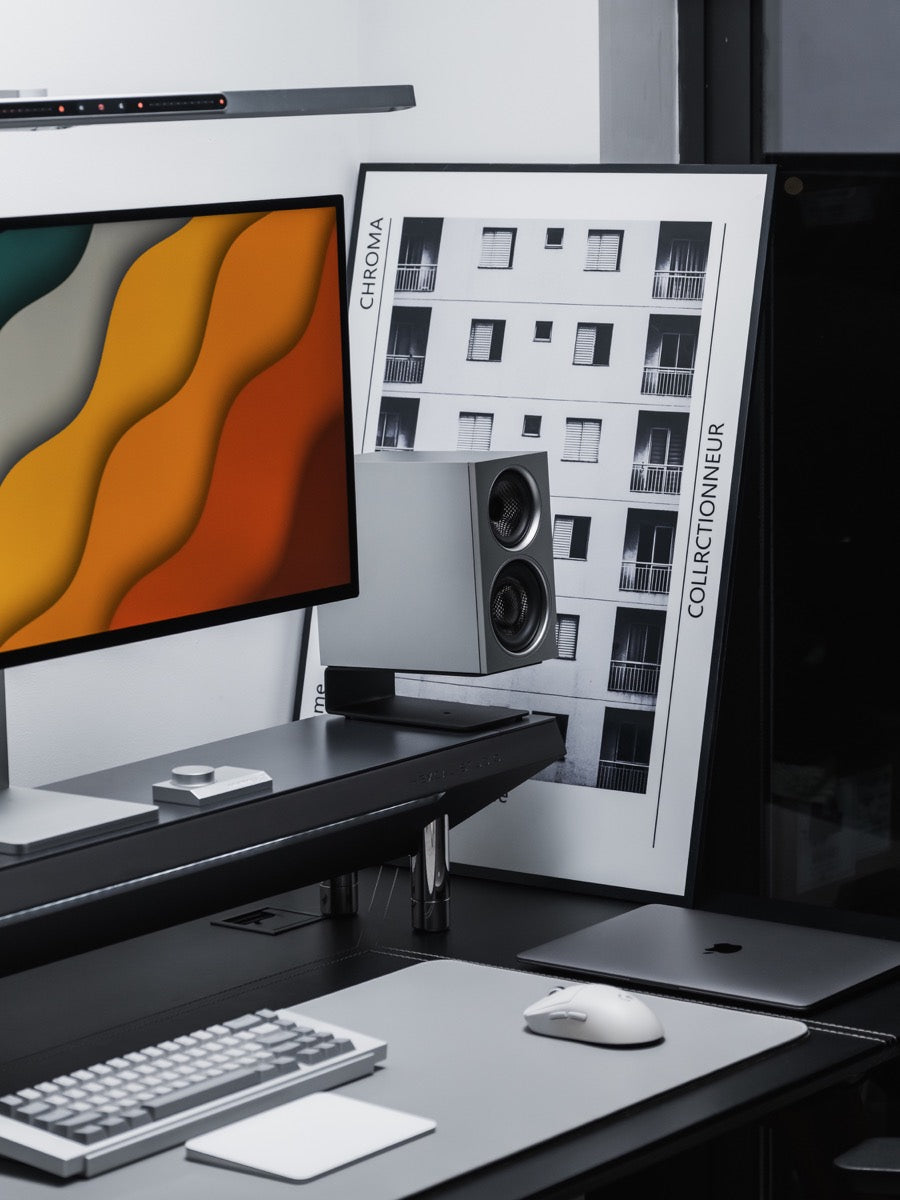
Desktop Speakers vs Bookshelf Speakers on a Desk
A good bookshelf speaker is usually a better speaker than a desktop model at similar money — and frequently the wrong thing to put on a desk. Four practical factors decide which.
Read moreabout Desktop Speakers vs Bookshelf Speakers on a Desk
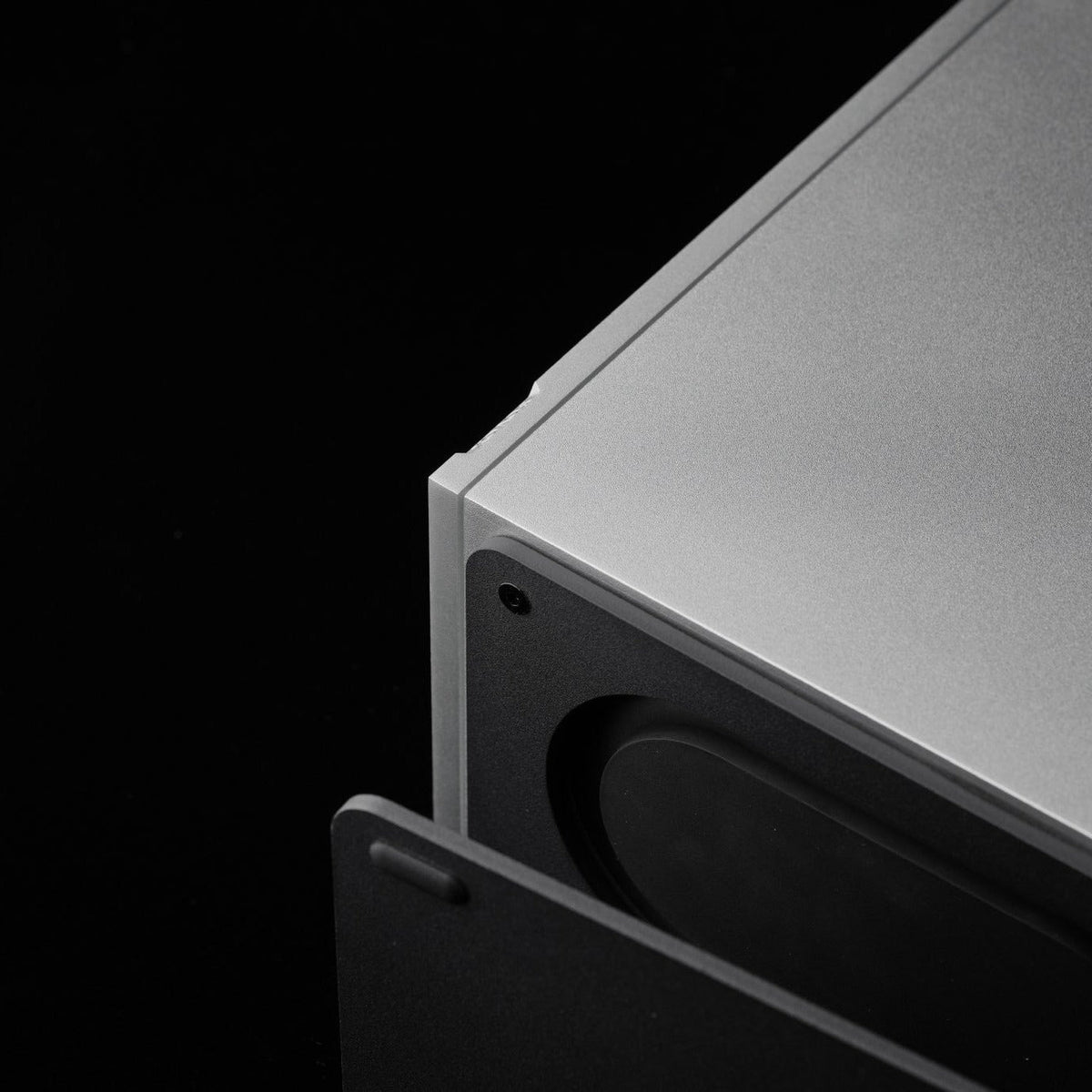
Passive Radiator vs Port: How Small Speakers Get Real Bass
A port and a passive radiator implement the same resonance by different means. In a large cabinet the differences are minor; in a compact desktop enclosure they decide the design — including how close to a wall the speaker can sit.
Read moreabout Passive Radiator vs Port: How Small Speakers Get Real Bass
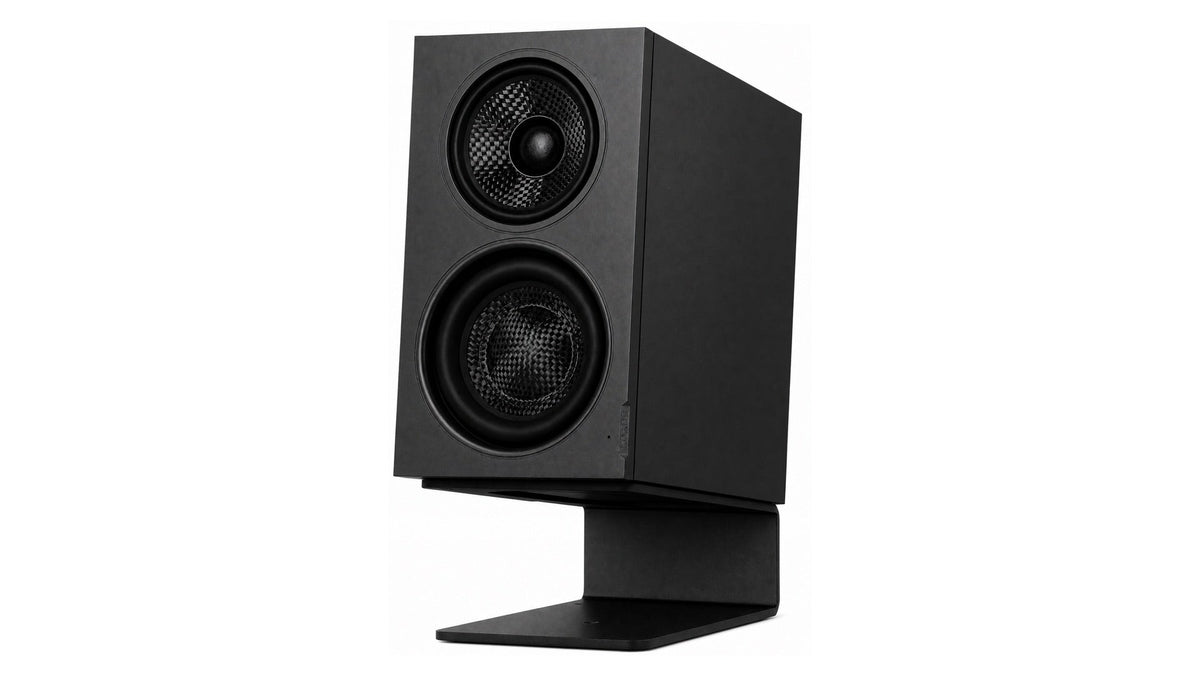
USB Speakers vs an External DAC: What Actually Changes
The difference between a USB speaker and an external DAC is one link in the chain: the analog interconnect. What that link costs, what removing it buys, and the cases where an external converter is still correct.
Read moreabout USB Speakers vs an External DAC: What Actually Changes
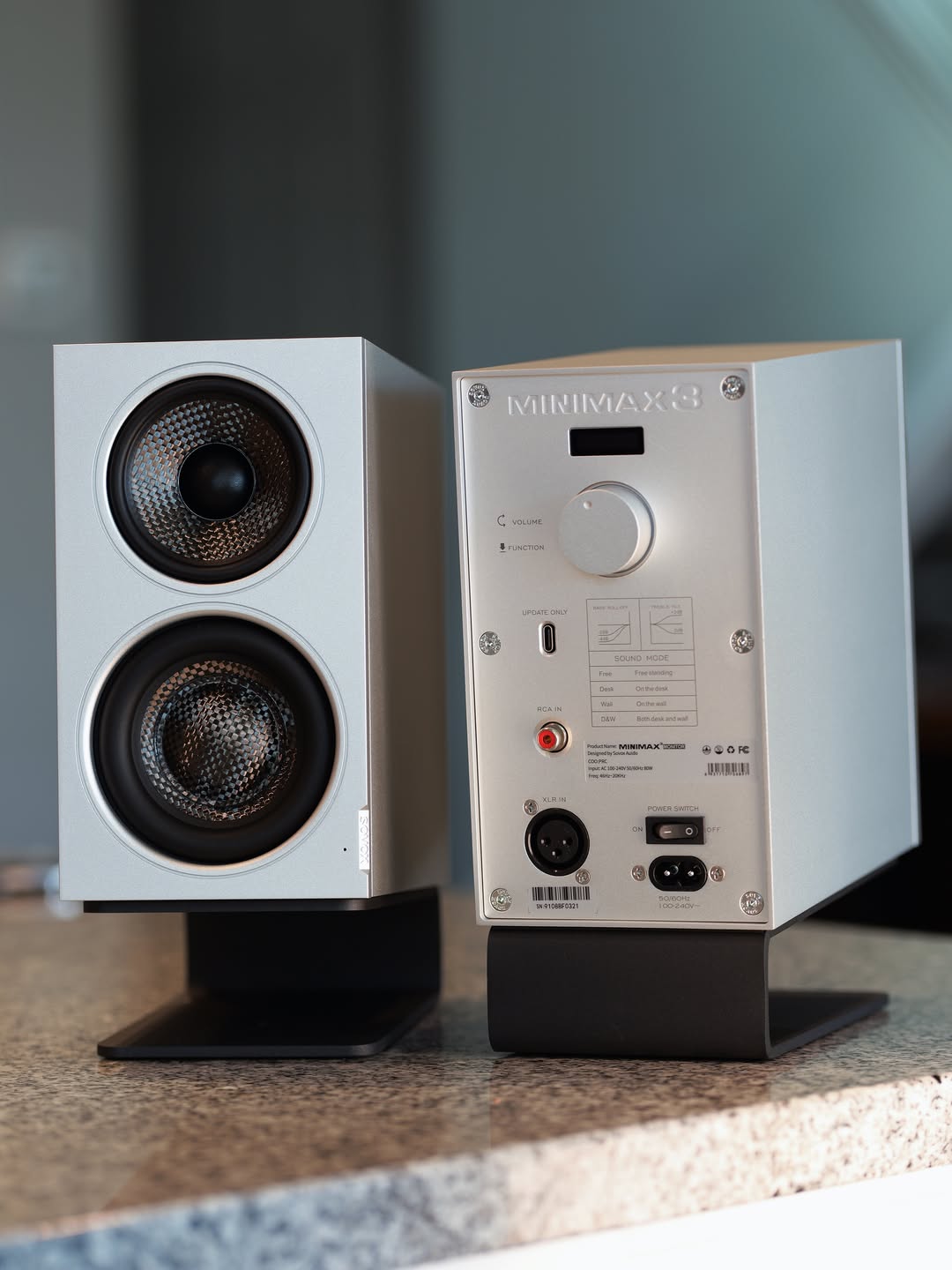
Bluetooth vs USB vs Optical: Choosing a Desktop Audio Connection
Only one of these connections compresses your audio, only one can carry a ground loop, and only one is disappearing from computers. A practical comparison for desktop setups.
Read moreabout Bluetooth vs USB vs Optical: Choosing a Desktop Audio Connection
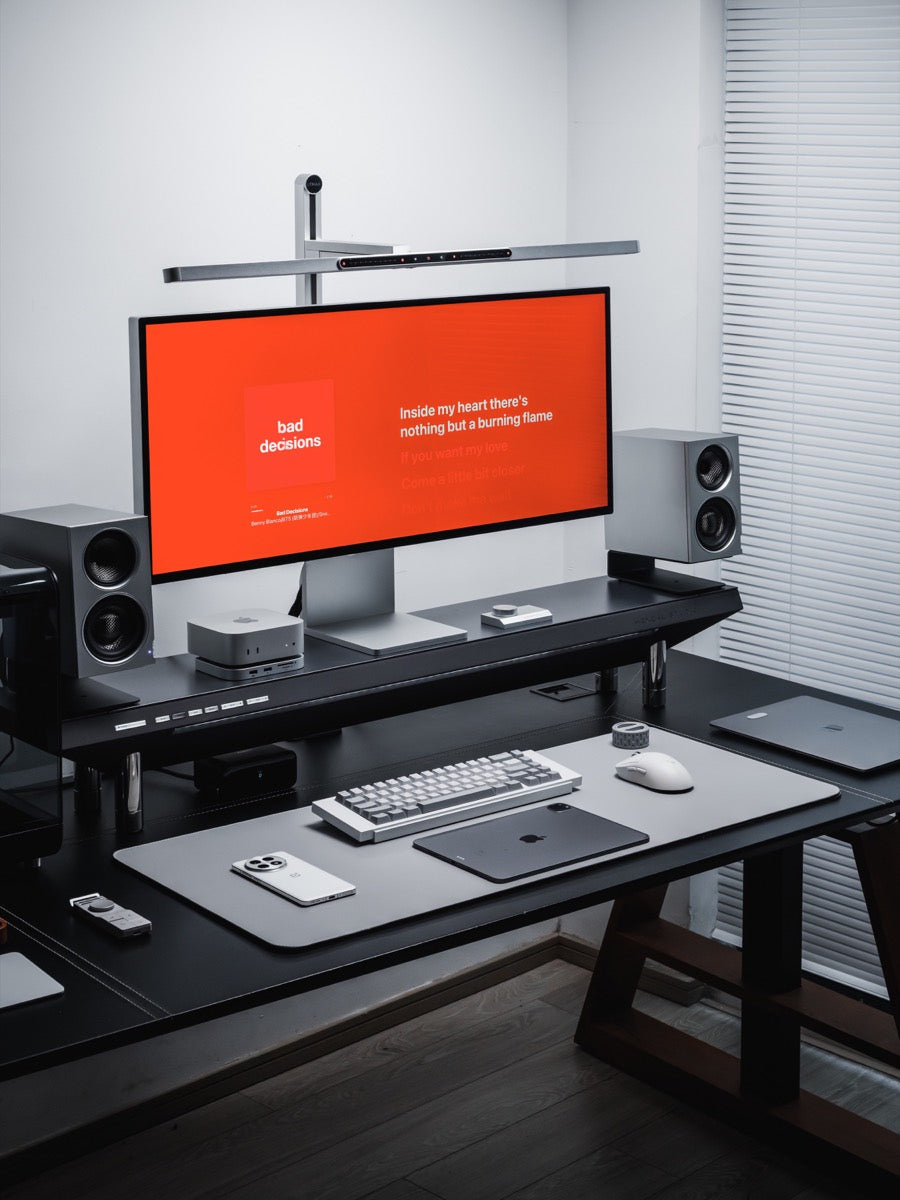
Speakers Close to a Wall: Why Desk Setups Lose Their Bass
Speaker-boundary interference is the largest acoustic problem in most desk setups and it is predictable from a tape measure. How to calculate your cancellation frequency, and why moving speakers closer to the wall is often the right answer.
Read moreabout Speakers Close to a Wall: Why Desk Setups Lose Their Bass
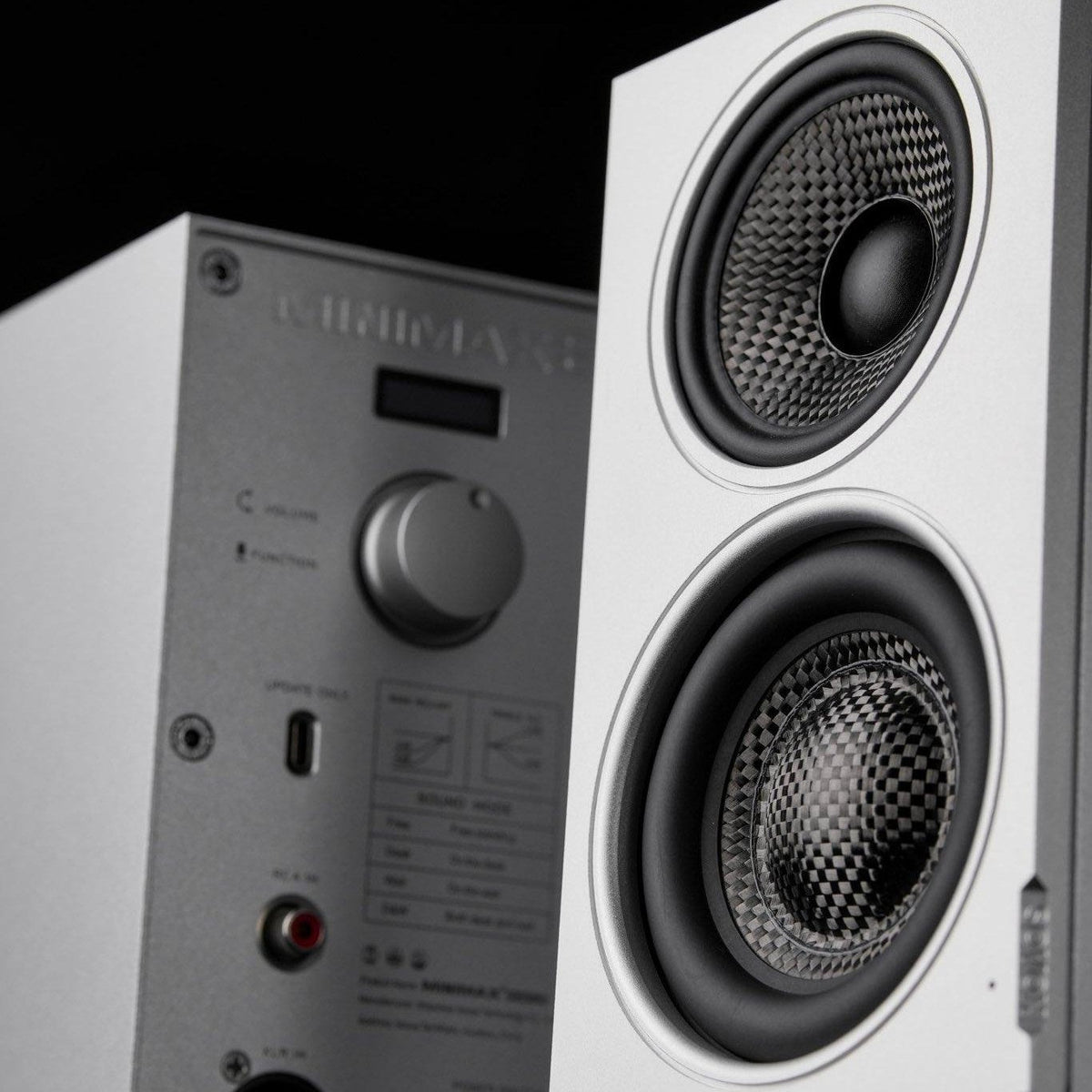
What Is a Coaxial Speaker? A Desktop Listener's Guide
A coaxial driver radiates from a single point on one axis. What that solves, why the benefit scales with how close you sit, and why the term means something almost opposite in car audio.
Read moreabout What Is a Coaxial Speaker? A Desktop Listener's Guide
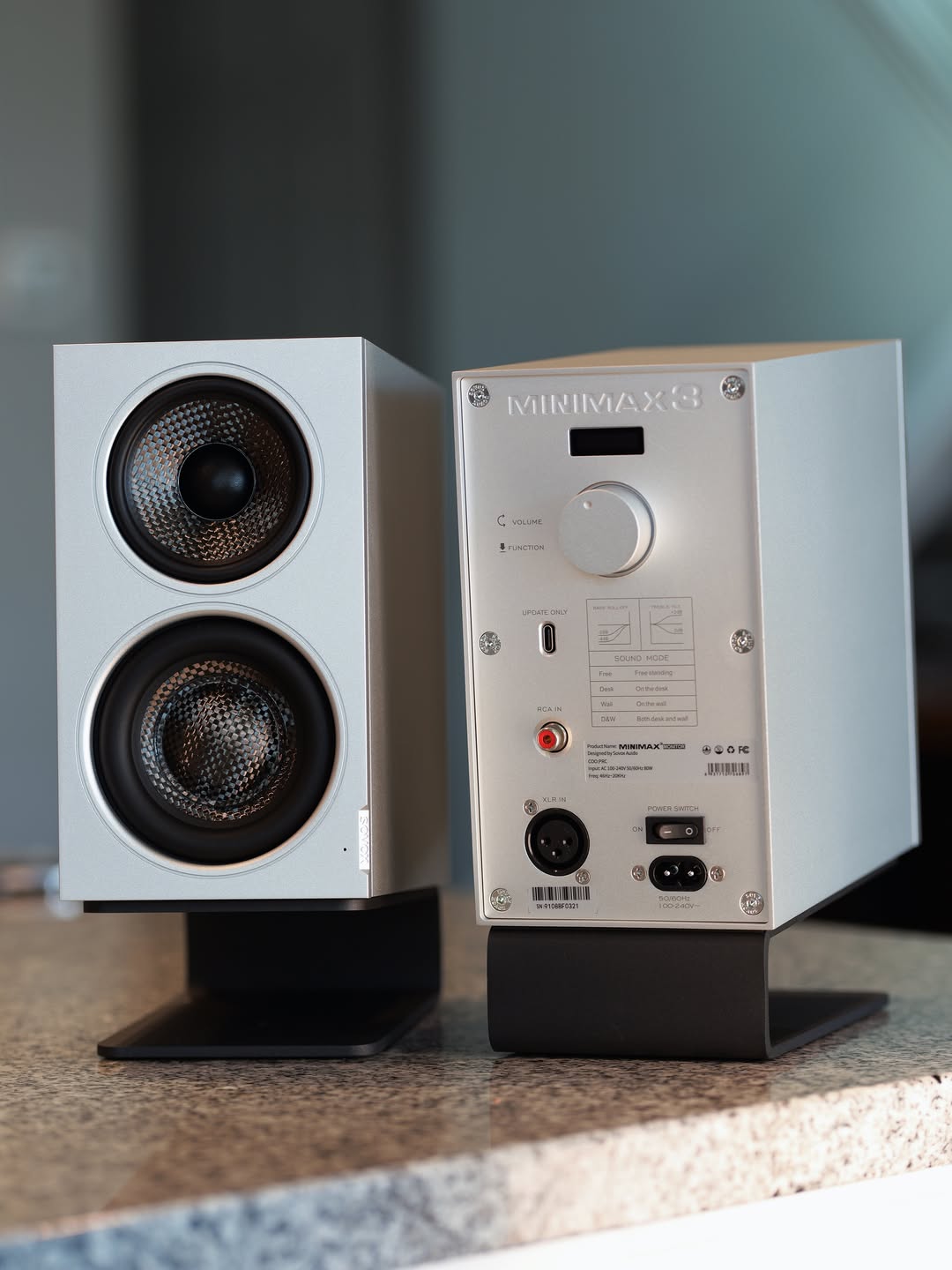
Do You Need an Audio Interface for Studio Monitors?
An audio interface is a recording tool that also contains a converter. For playback-only desk setups the honest answer is usually no — and the improvement people report is generally a ground-loop fix rather than a converter upgrade.
Read moreabout Do You Need an Audio Interface for Studio Monitors?